Expert Pulmonologist in Dr Shailly
What is Pneumonia?
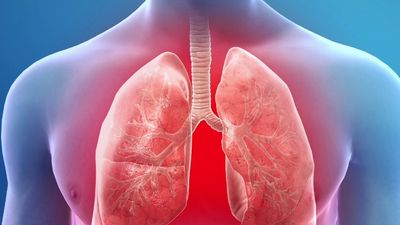
Pneumonia is an infection that inflames the air sacs in one or both lungs. These air sacs may fill with fluid or pus, making breathing painful and limiting oxygen intake. Pneumonia can range in seriousness from mild to life-threatening and is particularly dangerous for infants, young children, the elderly, and people with health problems or weakened immune systems.
What are the Symptoms
The symptoms of pneumonia can vary based on the type of pneumonia and the individual's overall health, but common symptoms include:
- Cough: May produce phlegm (mucus) that is green, yellow, or even blood-streaked.
- Fever: Usually high, accompanied by chills.
- Shortness of Breath: Difficulty breathing, especially during physical activity.
- Chest Pain: Sharp or stabbing pain that worsens with deep breathing or coughing.
- Fatigue: Feeling unusually tired or weak.
- Nausea or Vomiting: Sometimes accompanied by diarrhea.
Causes of Pneumonia
Pneumonia can be caused by a variety of pathogens, including:
- Bacteria: The most common bacterial cause is Streptococcus pneumoniae.
- Viruses: Viruses that cause colds and flu can lead to viral pneumonia, including the influenza virus and respiratory syncytial virus (RSV).
- Fungi: Fungal pneumonia is more common in people with weakened immune systems and can be caused by organisms such as Histoplasma, Coccidioides, and Cryptococcus.
- Aspiration: Inhalation of food, drink, vomit, or saliva into the lungs can lead to aspiration pneumonia, particularly in people with swallowing difficulties or impaired consciousness.
Diagnosis and Treatment
Diagnosis is typically made through a physical examination, medical history, chest X-ray, and laboratory tests (such as blood tests and sputum cultures). Treatment varies depending on the cause and severity of pneumonia and may include:
- Antibiotics: For bacterial pneumonia.
- Antivirals: For viral pneumonia, if appropriate.
- Fungal Medications: For fungal pneumonia.
- Supportive Care: Including rest, fluids, and over-the-counter medications to relieve symptoms.